
By Danielle DeLuca, MA, November 2026
Remember when microblading first took off and everyone wanted perfectly shaped, filled-in brows? Fast forward a few years, and we’re seeing more and more people who want to remove or correct old permanent makeup.
Maybe your brows faded into an unnatural color. Maybe the shape you loved five years ago isn’t what you want today. Or maybe you’ve had multiple touch-ups and your brows are darker or more saturated than you originally intended. Whatever the reason, you’re not alone. At Transformare Bellezza, we’ve seen a real increase in interest in laser eyebrow tattoo removal, especially for microbladed brows and nano brows. And one of the biggest things we want people to know is that you may have options beyond covering old pigment with even more pigment. This guide explains how removal works, how many sessions it tends to take, what it costs, and the risks worth understanding before you start.
Both are forms of cosmetic tattooing, also called permanent makeup or PMU, designed to create the look of fuller, more defined brows.
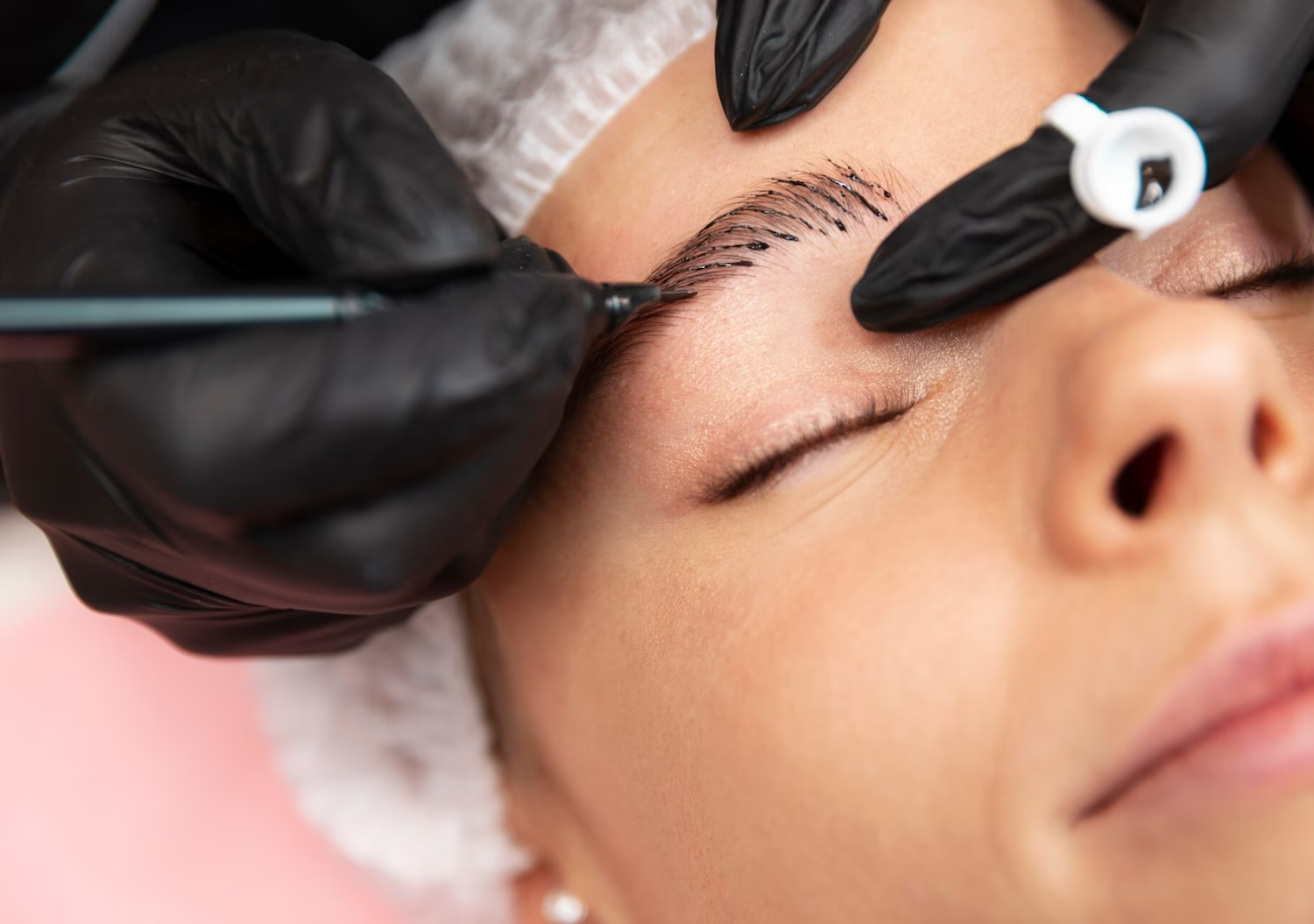
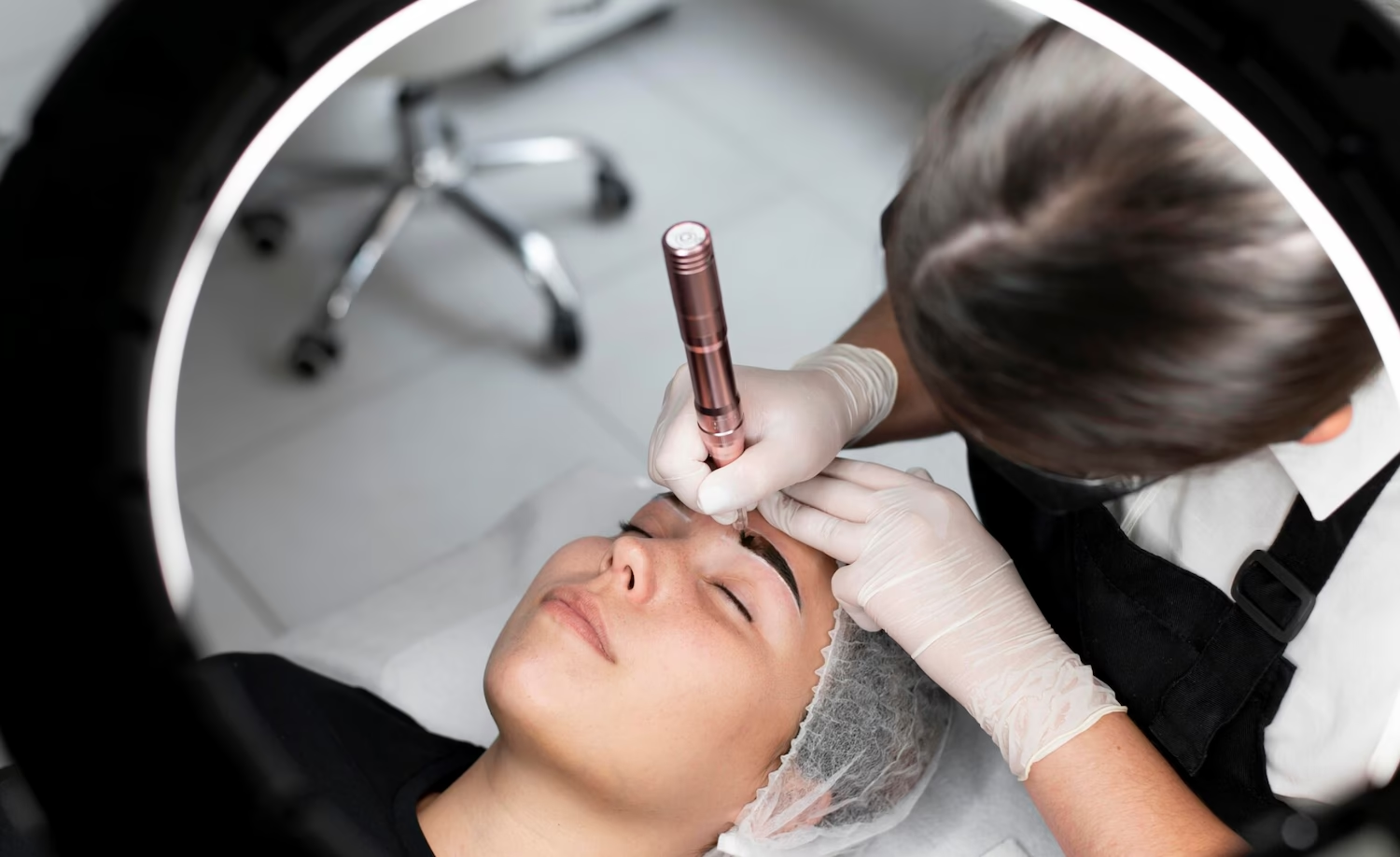
Microblading uses a handheld tool to make small, hair-like strokes in the skin while depositing pigment. Nano brows use a cosmetic tattoo machine with a very fine needle to create similar strokes. They’re applied differently, but both place pigment into the skin. And despite often being marketed as semi-permanent, that pigment doesn’t always fade completely on its own. Over time, brows can fade unevenly, change color or lose their original definition, which is what sends many people looking for removal in the first place.
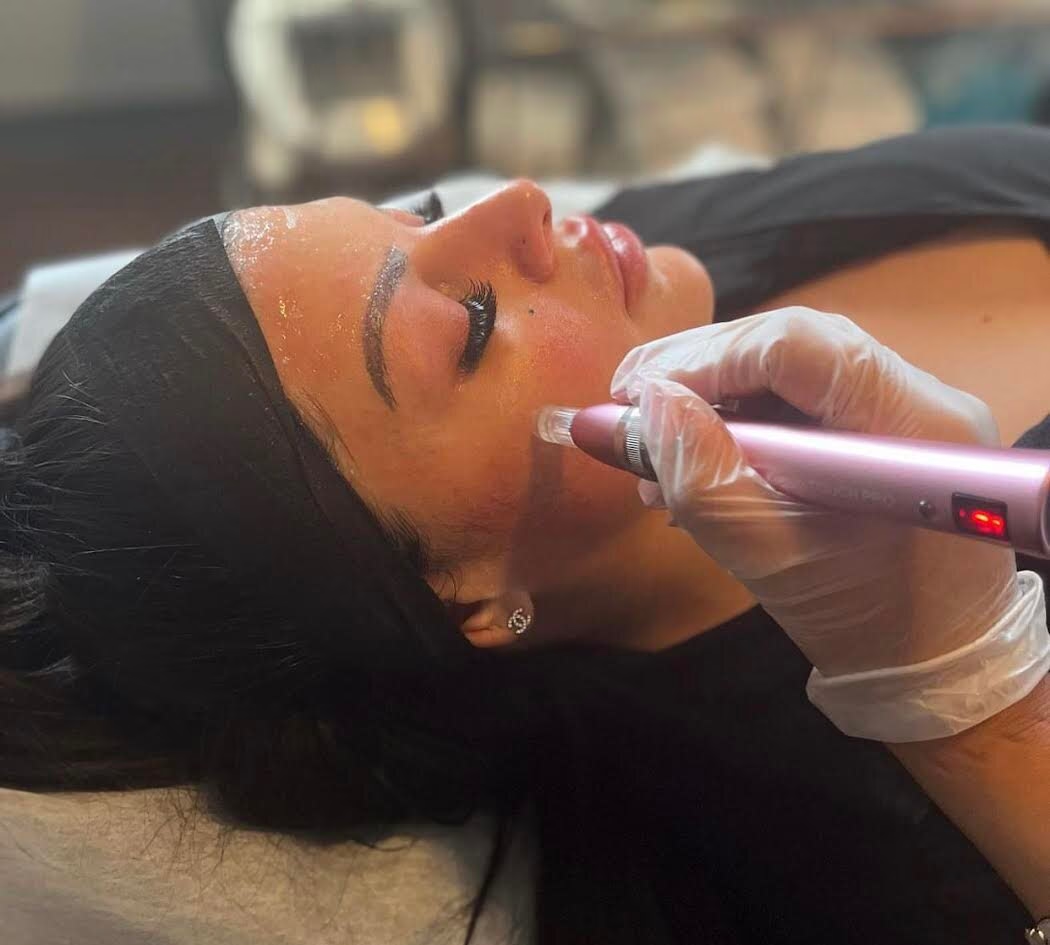
In many cases, yes. Laser tattoo removal can help lighten or remove unwanted eyebrow pigment. At Transformare Bellezza, we use our Astanza Pico laser system for tattoo removal. The laser delivers short, rapid pulses of energy that target the pigment and break it into smaller particles, which your body then gradually clears through its own natural processes. The appearance of unwanted pigment reduces over a series of treatments rather than all at once.
Here’s the important part, and it’s the thing we most want people to understand. Cosmetic eyebrow pigments can behave differently from traditional body tattoo ink. Some pigments can actually darken when exposed to laser energy, a reaction called paradoxical darkening, and certain colors are especially stubborn to remove. That’s why evaluating your specific pigment, your previous treatments and your skin before starting is so important. This is also why brow removal should be handled by someone experienced with cosmetic tattoos, not treated like a standard body tattoo. When there’s any uncertainty about how a pigment will respond, a small test spot can be a smart first step.
We hear a few reasons again and again:
All completely understandable, and none of it means you made a mistake. Permanent makeup is popular precisely because it’s convenient, and tastes and techniques both evolve.
This is one of our most common questions, and the honest answer is that it depends on several things:
Some eyebrow tattoos lighten significantly within a few sessions, while others need more. Sessions are spaced several weeks apart to give your skin time to heal and your body time to clear the pigment it has already broken down. In certain cases, complete removal may not be possible, and the realistic goal becomes meaningful lightening rather than a total blank slate. We’d always rather set honest expectations up front than promise a specific number just to get you in the door.
Understandably one of the biggest concerns, because no one wants to trade a pigment problem for a bald patch. Laser tattoo removal targets pigment in the skin, not the hair itself. That said, temporary whitening of eyebrow hairs can happen, and there is a risk of hair damage or loss.
We also take eye safety extremely seriously. Because the brows sit so close to the eyes, treatment requires specialized protective measures, including proper eye shielding, and careful assessment. Not every client is an appropriate candidate, and that’s a line we won’t cross for the sake of a booking.
Everyone’s pain tolerance is different, but most clients describe laser removal as a quick snapping sensation against the skin, similar to a rubber band. Brow treatments are generally brief because the area being treated is small, often just a few minutes. We can discuss topical numbing to make it more comfortable.
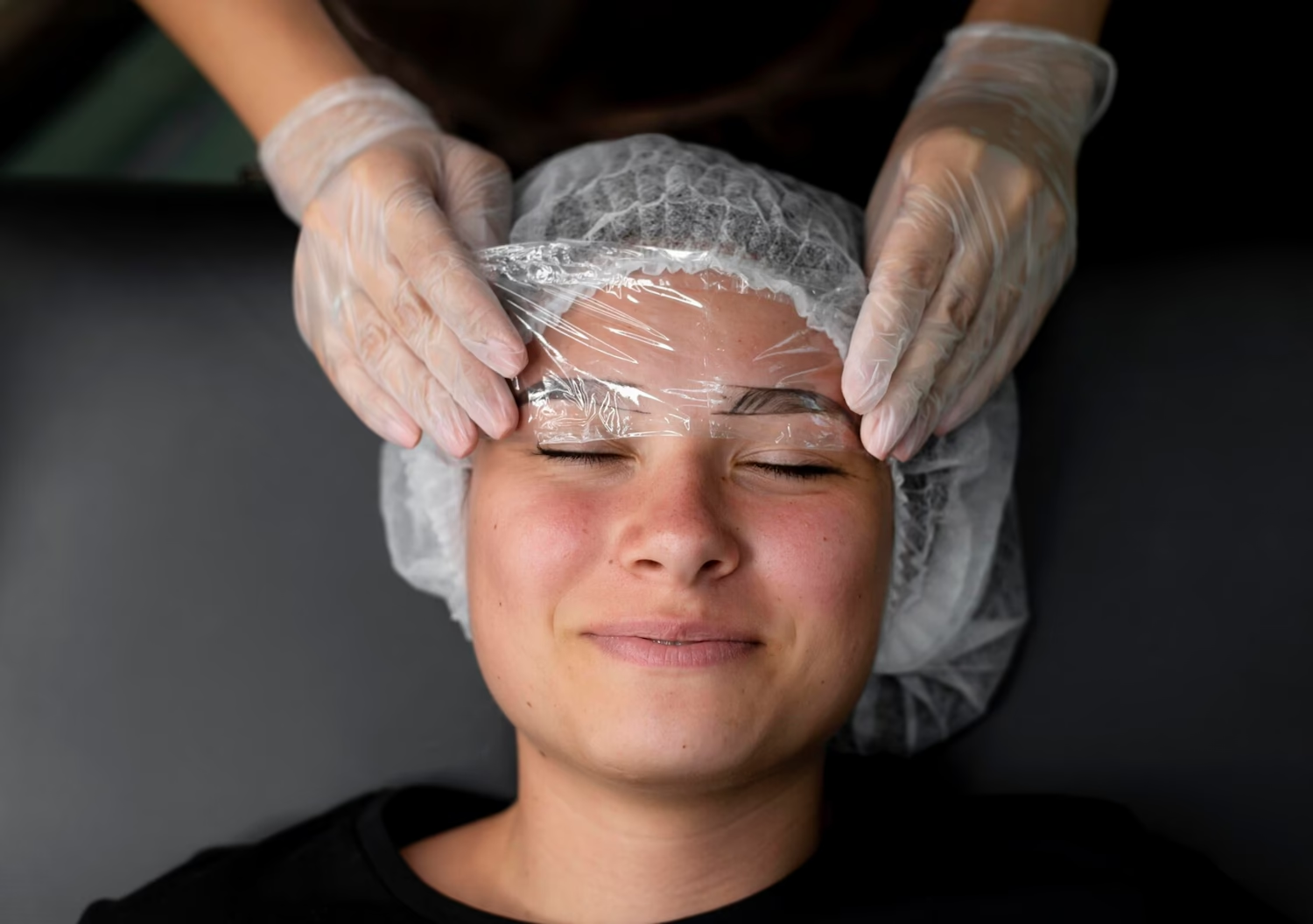
Afterward, temporary redness, swelling, tenderness or light crusting may occur. This is normal and settles over the following days. Following your aftercare instructions is essential to support healing and reduce the risk of complications, and we’ll walk you through exactly what to do.
For most people it goes like this: a consultation to assess the pigment and your skin, then a series of short sessions spaced several weeks apart, with your brows lightening gradually between visits. You care for the area at home between sessions, and we reassess as we go, since how your pigment responds often becomes clearer after the first session or two. It’s a process that rewards patience, and rushing it tends to cause more irritation without faster results.
Not all pigments respond the same way, and setting expectations here saves disappointment. Darker pigments like black and deep brown tend to respond more predictably to the laser. Warmer and lighter tones, the reds, oranges, yellows and some of the faded tones that microblading drifts into over time, can be more stubborn and sometimes need extra sessions. A few pigments can also darken before they lighten, which is why we assess the color and, when there’s doubt, start conservatively. This isn’t a reason to avoid removal, it’s simply why an honest evaluation of your particular brows matters more than any blanket promise about session counts.
Aftercare is a real part of the result, not an afterthought. In the days following a session you’ll typically keep the area clean and dry, avoid picking at any crusting, skip makeup on the brows while they heal, and protect the area from the sun. We’ll give you specific written instructions, since good aftercare both supports your results and lowers the risk of irritation or pigment issues. Most people find this part easy once they know what to do, and the brow area tends to heal quickly because it’s small.
Potentially, yes. Some clients choose removal specifically because they want to start fresh with a new brow artist. Others just want to lighten existing pigment enough to allow a different shape or a more natural look. The important thing is letting your skin heal fully before any new cosmetic tattooing, and having both your laser technician and your brow artist evaluate the area first. Starting new PMU over skin that hasn’t fully recovered is a recipe for disappointment.
It depends on your goal, and this is worth thinking through honestly. Covering old pigment with new permanent makeup can work in some cases, but it doesn’t address what’s already in the skin, so unwanted tones or a heavy, saturated look can persist or even worsen underneath. Laser removal actually reduces the existing pigment, which is why it’s often the better starting point when the color has gone wrong, the brows have become too dark, or you want a genuinely clean slate. For many clients the ideal path is lightening first, then a fresh application by a skilled artist, rather than layering new over old. We’ll give you our honest read at your consultation.
At Transformare Bellezza, eyebrow tattoo removal starts at $250 per session. We also offer complimentary virtual consultations, so you can get started without coming in just to talk through your options. Send us clear, well-lit photos of your brows and we’ll review the area and discuss potential next steps.
Keep in mind that photos can’t always reveal the exact pigment composition or how it will respond, so an in-person assessment may still be needed before we treat. That’s not an upsell, it’s simply the most responsible way to handle pigment this close to the eyes.
Looking to remove a body tattoo instead of brows? That’s a different process, and we cover it in our guide to laser tattoo removal in East Hanover. You can also see the full overview on our laser tattoo removal service page.
Whether your microblading changed color, your nano brows are darker than you’d like, or you’re just ready for a more natural look, it’s worth exploring your options. We understand your brows are a big part of your face, and choosing to remove permanent makeup can feel like a big decision. We’re here to answer your questions, explain the process and help you understand what may be possible for your specific brows. No pressure, no unrealistic promises, just honest guidance and a plan that makes sense for you.
Book a consultation or call (862) 283-8554. We offer laser cosmetic tattoo removal consultations for clients throughout East Hanover, Livingston, Florham Park, Morristown, Parsippany and surrounding New Jersey communities, with free parking right outside.
Transformare Bellezza · 460 Ridgedale Ave, East Hanover, NJ 07936 · (862) 283-8554 · www.transformarebellezza.com
In many cases, yes. A laser targets the pigment and breaks it into particles your body clears over a series of sessions. Cosmetic brow pigments behave differently from body ink, so an evaluation first is essential.
It varies with the pigment type and color, how deep it was placed, how many touch-ups you’ve had and your skin type. Some lighten in a few sessions, others need more, and in some cases complete removal isn’t possible.
The laser targets pigment, not hair. However, temporary whitening of the hairs can occur, and there’s a risk of hair damage or loss. Not everyone is a candidate, which is why we assess the area carefully.
It can happen. Some cosmetic pigments darken when exposed to laser energy, which is exactly why we evaluate your pigment and previous work before starting.
Eyebrow tattoo removal starts at $250 per session at our East Hanover studio. We offer complimentary virtual consultations to review photos and discuss next steps.
Laser removal of cosmetic eyebrow pigment carries risks, including unexpected pigment darkening, skin discoloration, scarring and eye injury. Treatment near the eyes requires appropriate specialized protection and qualified personnel. Results vary, and complete removal cannot be guaranteed.