
By Danielle DeLuca, MA, November 2026
Losing weight is a huge accomplishment. Whether you got there through lifestyle changes, Ozempic, Wegovy, Zepbound or another GLP-1 medication, reaching your goal is something to feel proud of.
But there’s something we don’t talk about nearly enough: what happens to your skin after the weight comes off?
At Transformare Bellezza, we see clients every week who worked incredibly hard to lose weight, only to find themselves dealing with loose skin around the stomach, arms, thighs or other areas. And one of the most common questions we hear is: “I lost the weight, so why doesn’t my skin look the way I expected?”
The answer is actually pretty simple. Losing fat and tightening skin are two very different things. The good news is that depending on how much laxity you’re dealing with, there may be non-surgical options worth exploring. This guide walks through why it happens, what you can realistically do about it, and how to tell when a treatment will help versus when it won’t.
First, let’s clear something up, because there’s a lot of misinformation online. Ozempic and other GLP-1 medications don’t directly cause your skin to become loose. There’s no ingredient in semaglutide or tirzepatide that damages your skin. What happens is that as you lose body fat, the skin that stretched to accommodate that volume doesn’t always bounce back at the same rate.
Your skin contains collagen and elastin, two proteins that give it structure and the ability to snap back. Collagen is the scaffolding that keeps skin firm; elastin is the spring that lets it recoil after being stretched. As we age, the body produces less collagen and skin becomes less resilient. Dermatologists estimate we lose roughly 1% of our collagen a year from our late twenties onward, and sun exposure and smoking speed that decline. Combine that natural loss with significant or rapid weight loss, and you may start to notice:
You may also have heard the terms “Ozempic face” and “Ozempic neck.” These are informal nicknames, not medical conditions, for the hollowing and loosening some people notice in the face and neck after rapid weight loss. The important thing to understand is that these are the same changes seen after any rapid weight loss, including bariatric surgery or an aggressive diet. They aren’t unique to the medication.
How much your skin retracts depends on your age, your genetics, how much weight you lost, how long the skin was stretched and your overall skin health. One thing we always want clients to understand: loose skin doesn’t mean you did anything wrong. It’s simply one of the ways your body can change after weight loss.
Here’s the part most people don’t hear. The single biggest factor in loose skin isn’t the medication, it’s how fast the weight came off. When weight loss is gradual, your skin’s fibroblasts have time to keep producing collagen and elastin, so the skin can retract and remodel around your new shape more effectively. When it’s rapid, that ability gets overwhelmed and the skin simply drapes.
GLP-1 medications are very effective, which is exactly why the weight can come off quickly, and why skin changes show up more often than people expect. There’s another wrinkle worth knowing: body-composition research suggests a meaningful share of the weight lost on GLP-1 medications can be lean muscle, not just fat, and losing muscle under the skin removes some of the support that keeps you looking firm.
That’s one of the reasons we work with clients on sustainable, medically supervised weight loss rather than just chasing the fastest result on the scale. A pace that protects your muscle and gives your skin time to adapt tends to leave you happier with the final result.
This is probably the question we’re asked most. The honest answer is: sometimes, to a degree.
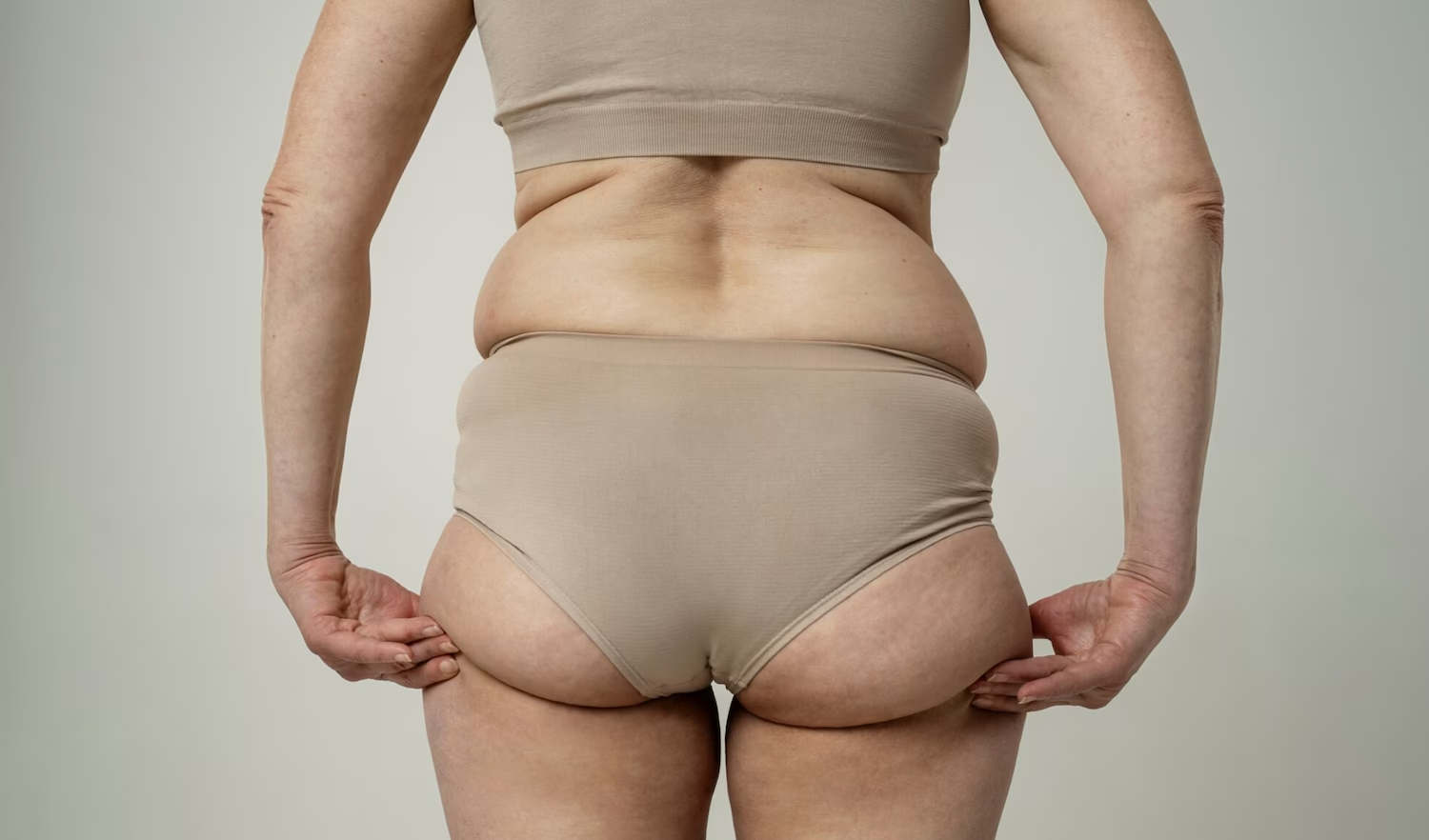
Not all loose skin is the same, and this is where expectations really matter. Someone with mild laxity after losing 15 or 20 pounds has very different options than someone who lost 80 or 100 pounds and has significant excess skin that hangs in folds.

Non-surgical skin tightening is generally best for mild to moderate laxity, for people looking for gradual improvement in the firmness and appearance of their skin. It cannot remove excess skin, and it won’t reproduce the results of a tummy tuck, arm lift or other surgical procedure. At Transformare Bellezza, we believe in being upfront about that. Our goal isn’t to promise you something unrealistic. It’s to help you understand what’s actually possible for your body, and to point you toward surgery when that’s genuinely the better path.
A simple at-home gauge: gently pinch the loose skin. If it’s thin and crepey with only a small amount to pinch, that often falls into the mild-to-moderate range where non-surgical tightening can help. If you can grasp a thick fold of skin that hangs on its own, that’s usually in the range where surgery gives more meaningful results. This is only a rough guide, not a diagnosis. The most reliable way to know is an in-person assessment, which is exactly what a consultation is for.
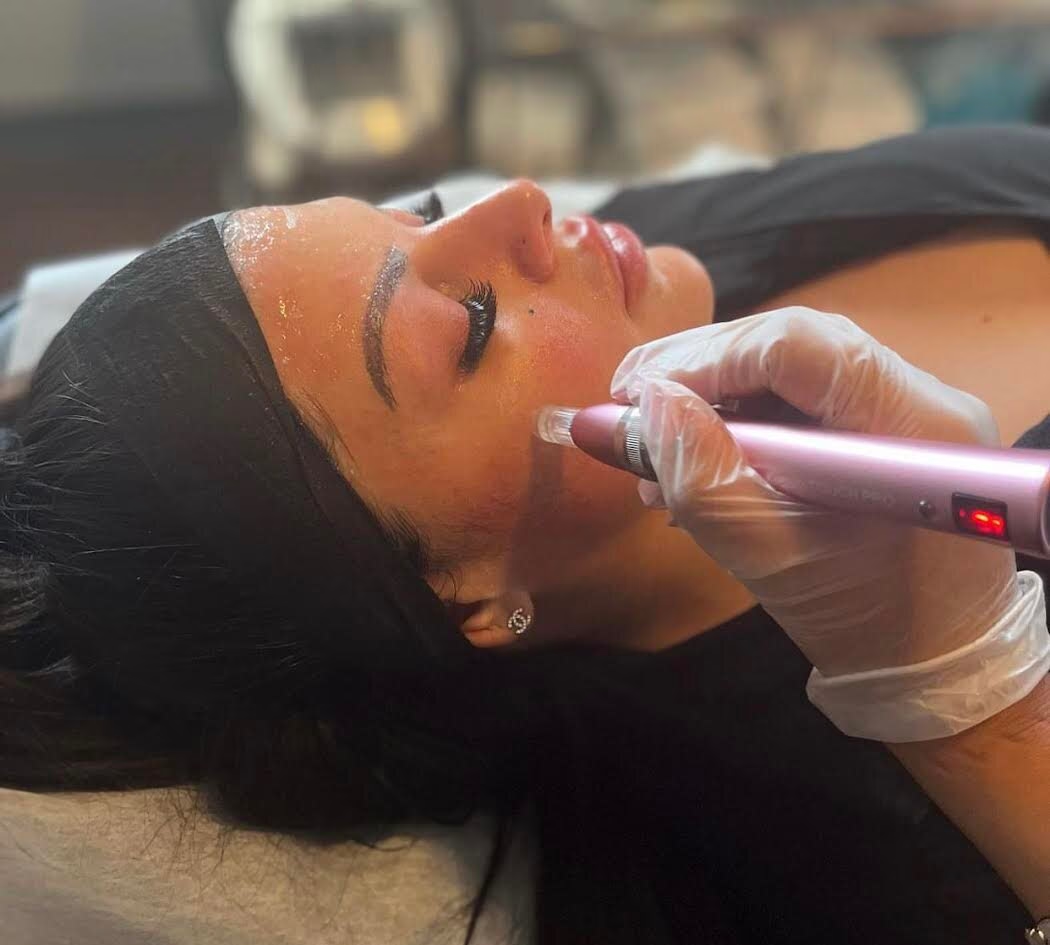
One of the treatments we offer is Venus Legacy. It uses radiofrequency energy and pulsed electromagnetic fields to deliver controlled heat into the skin and the tissue underneath, which is designed to support collagen remodeling and improve the appearance of mild skin laxity and cellulite.
Here’s how it actually feels, since people always ask. The applicator warms the treatment area gradually, and most clients describe it as a comfortable, warm massage rather than anything painful. There’s typically no downtime, and most people head straight back to their normal day afterward.
For clients who’ve recently lost weight, Venus Legacy may be worth considering for the:
Because collagen remodeling happens gradually, results aren’t immediate. A series of treatments is usually recommended, with changes developing over weeks as your skin rebuilds. Results vary, and not everyone will see a noticeable improvement, which is why we set expectations honestly before you start.
If firmness around the jawline or neck is your main concern, you may also want to read about radiofrequency skin tightening for the neck and jawline. And if a stubborn pocket of fat is part of the picture, our body contouring and fat reduction options may come up at your consultation too, since many post-weight-loss clients are addressing more than one concern at once.
Everyone’s body responds differently, so there isn’t a magic number that guarantees a result. Your plan depends on:

As a general pattern, many clients do a series of sessions spaced a few weeks apart, followed by occasional maintenance. Some notice gradual changes in texture or firmness during the series, while others see minimal improvement. Collagen remodeling takes time, so results may keep developing after your sessions wrap up. Consistency matters, but so does choosing the right treatment for the right concern in the first place.
One timing note that saves people disappointment: we usually suggest waiting until your weight has stabilized before investing in a full series. If you’re still actively losing, your skin is still changing, and starting too early can mean chasing a moving target.
There’s no guaranteed way to prevent loose skin after significant weight loss, and anyone who promises otherwise isn’t being straight with you. But there are real ways to support your body through the process:
The goal should always be sustainable weight loss and overall health, not just watching the number on the scale drop.
We think this is important to say too, even though it means talking you out of a treatment sometimes. If you’ve lost a significant amount of weight and have substantial folds of excess skin, non-surgical treatments may not give you the improvement you’re hoping for. In those cases, procedures like an abdominoplasty (tummy tuck), arm lift or body lift may offer more meaningful results, and a consultation with a board-certified plastic surgeon can help you decide.
We’re happy to talk through non-surgical options, and for many people they’re a great fit. But we’ll never tell you a treatment can replace surgery when it can’t. If we think you’d be better served by a surgeon, we’ll say so.
Think of non-surgical skin tightening as improvement, not transformation. The realistic goal is firmer-looking, smoother skin in areas of mild to moderate laxity, developing gradually over a series and with maintenance over time. It will not make loose skin disappear the way a surgical lift removes it. Clients who go in with that mindset tend to be the happiest, because the result meets the expectation. That’s why we spend real time at your consultation making sure what you want and what the treatment can do actually line up.
If you’ve lost weight on a GLP-1 and you’re wondering what’s realistic for your skin, the best next step is an honest conversation. Book a consultation or call us at (862) 283-8554, and we’ll look at your skin together and tell you what we’d actually recommend, even if that’s waiting a little longer or seeing a surgeon. We welcome clients from East Hanover, Livingston, Florham Park, Morristown, Parsippany and the surrounding New Jersey communities, with free parking right outside. Bellezza Club members can also put their monthly treatment credit toward sessions.
Transformare Bellezza · 460 Ridgedale Ave, East Hanover, NJ 07936 · (862) 283-8554 · www.transformarebellezza.com
Not directly. GLP-1 medications like Ozempic, Wegovy and Zepbound help you lose fat. As that fat comes off, skin that was stretched may not fully retract, especially if the weight loss was rapid or significant. The loose skin comes from the weight loss itself, not the drug.
Sometimes, to a degree. Non-surgical skin tightening like Venus Legacy is best for mild to moderate laxity and offers gradual improvement. It can’t remove excess skin or replace a surgical lift. A consultation is the only way to know what’s realistic for you.
Many clients wait until their weight has stabilized, since ongoing weight loss can change the result. We’ll help you decide the right timing at your consultation.
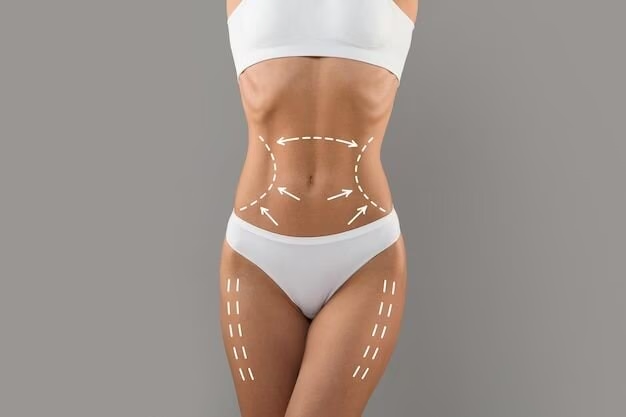
Commonly the abdomen, upper arms, thighs and flanks, and other areas where skin firmness has changed. Suitability is determined individually.
Yes. Our East Hanover studio is a short drive from Livingston, Florham Park, Morristown and Parsippany, with free parking outside.
Results vary. Non-surgical treatments cannot remove significant excess skin, and no specific degree of improvement is guaranteed. Treatment suitability should be determined through an individualized consultation.