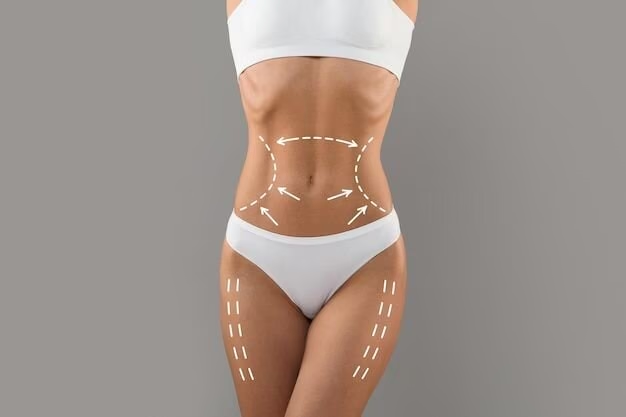
The surgery is the part everyone plans for. The six weeks after it are the part that decides how your results actually look. Swelling, bruising and firm, lumpy spots under the skin are normal after liposuction, a Brazilian Butt Lift or a tummy tuck, and how you manage that fluid matters. That's where post-op lymphatic drainage comes in. At Transformare Bellezza in East Hanover, about 10 to 15 minutes from Livingston, we see post-op clients from across Essex and Morris County, and the same questions come up every time: when do I start, how often do I come in, and what does it actually do? Here's the honest answer.
Your lymphatic system is the network that carries excess fluid, proteins and cell waste out of your tissues. Unlike your blood, it has no heart pushing it along. It relies on movement, breathing and muscle contraction to keep fluid flowing.
Liposuction, a BBL and a tummy tuck all disrupt that network in the treated area. Tiny lymph vessels are damaged, tissue is inflamed, and fluid collects faster than your body can clear it. The result is the puffy, tight, sometimes hard feeling most people have for weeks after surgery.
Left alone, some of that trapped fluid and protein can thicken into fibrosis: firm, uneven areas under the skin that can make a smooth result look lumpy. This is one of the main reasons surgeons recommend lymphatic massage during recovery.
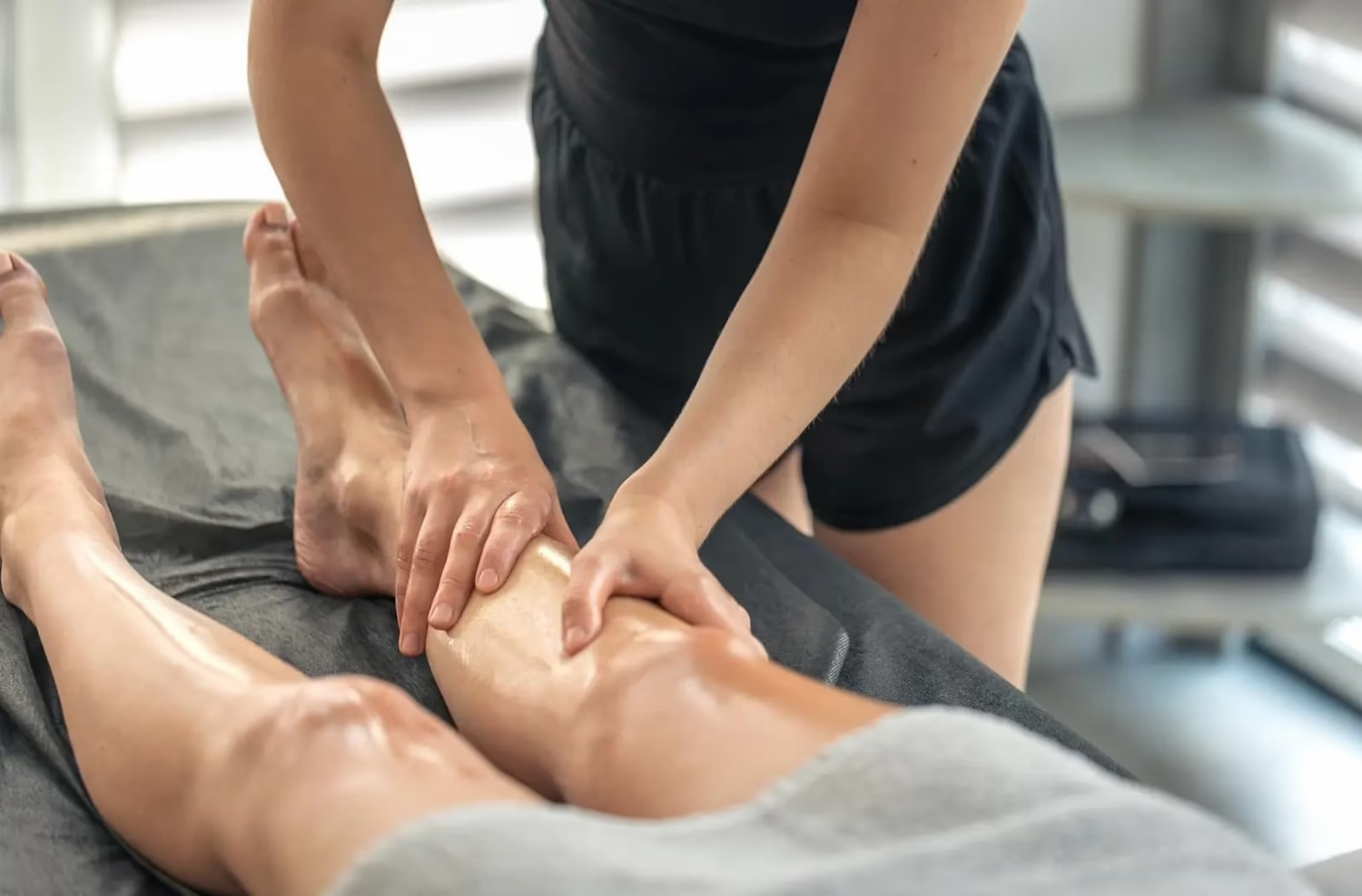
Manual lymphatic drainage is a gentle, rhythmic hands-on technique. It isn't a deep tissue massage. The pressure is light and the strokes follow the direction your lymph naturally flows, guiding fluid toward working lymph nodes so your body can clear it.
Done consistently during recovery, it helps:
Most clients also find it relieves discomfort. As fluid leaves the tissue, the pressure and tightness ease, which is why many people walk out of a session feeling noticeably lighter.
The technique is the same gentle manual therapy we use in our wellness lymphatic drainage sessions. The post-op version is longer and more structured. Our Post-Op Lymphatic Drainage Massage is a 60-minute protocol timed around your surgery and recovery, rather than a single standalone session for everyday puffiness.
Most clients begin about 1 to 2 weeks after surgery, once their surgeon has cleared them. That clearance matters. Your surgeon knows exactly what was done, how your incisions are healing and whether there's anything that changes the plan, such as drains still in place.
Bring your surgeon's instructions to your first visit. If they've asked you to avoid pressure on a specific area, or to wait longer before massage, we follow their lead. Our job is to support the recovery plan you already have, not replace it.
Every surgery and every body is different, but a common pattern looks like this:
Daily sessions. This is when swelling is at its peak and fluid needs the most help moving. Frequent sessions early on are what make the biggest difference to how quickly swelling goes down.
Every other day. Swelling is usually easing by now, and the focus shifts to keeping fluid moving and preventing firm areas from forming.
Weekly sessions for several weeks as swelling resolves. Some clients taper off sooner, while others with larger treatment areas benefit from a longer series.
That schedule is exactly why location matters. When you're coming in daily, in compression, a few days after surgery, a 10 to 15 minute drive from Livingston is a very different experience from an hour in traffic. Our East Hanover studio has free parking right outside, so there's no walking blocks while you're sore.
A common question is whether you can skip your compression garment once you're getting massages. You can't. They do two different jobs.
Your garment supports the tissue between sessions and keeps fluid from settling back in. Lymphatic drainage actively moves fluid out during the session. Use one without the other and you lose much of the benefit. Wear your garment exactly as your surgeon prescribed, and bring it with you so you can put it straight back on after your session.
A few other habits help your sessions work harder:
Your first visit starts with a conversation. We'll ask what procedure you had, when, who your surgeon is, and what instructions they gave you. We'll look at where you're most swollen and any areas that already feel firm.
Then you'll lie comfortably while your therapist works through the area with slow, light, rhythmic strokes. Expect it to feel gentle rather than intense. If an area is tender, we adjust. Afterward, we'll talk through hydration, movement and your garment, and book your next sessions so you stay on schedule.
Our team includes licensed estheticians, certified body sculptors and post-op care professionals, led by founder Danielle DeLuca, MA. Clients tell us again and again that what they value most is honesty. If something about your recovery looks like it needs your surgeon's attention, we'll tell you to call them.
Once you're further along and your surgeon is comfortable with it, some clients add Wood Therapy (Maderoterapia). It's a manual technique that uses shaped wooden tools to stimulate circulation and support lymphatic drainage. It's not for the early weeks, but it can be a useful step as you move from recovery into maintaining your shape.
Post-op lymphatic drainage is worth planning for if you're having or recently had:
The best time to book is before your surgery date. That way your first sessions are already on the calendar for the week you're cleared, and you're not scrambling to find openings while you're sore and swollen.
If you're not having surgery but deal with everyday puffiness or water retention, our standard lymphatic drainage massage is the better fit. And if you're looking for a non-surgical way to reduce a stubborn area instead, Laser Lipo and our other body contouring treatments are where to start.
Transformare Bellezza is at 460 Ridgedale Ave in East Hanover, NJ. From Livingston, Route 10 gets you here in about 10 to 15 minutes. We also see post-op clients from Roseland, West Caldwell, Florham Park, Morristown and Parsippany.
We're open Tuesday to Friday, 10 AM to 6 PM, and Saturday, 10 AM to 4 PM. If you're planning surgery, call us at (862) 283-8554 or book your post-op lymphatic drainage sessions online so your recovery plan is ready before your surgery date. You can also read more about visiting us from Livingston.
Most clients start about 1 to 2 weeks after surgery, once their surgeon clears them. Some surgeons want you to start sooner or later depending on the procedure, so always follow their instructions. Bring them to your first visit.
It varies by procedure, but a common pattern is daily sessions in week one, every other day in week two, then weekly for several weeks as swelling resolves. Larger treatment areas often need a longer series. We'll plan it with you at your first visit.
It shouldn't. The pressure is light and the strokes are slow and rhythmic. Some areas may feel tender in the first week, and we adjust as we go. Most clients find it relieving, because the tight, heavy feeling eases as fluid moves out.
Yes. Your garment supports the tissue between sessions, while massage actively moves fluid during them. They work together. Wear it as your surgeon prescribed and put it back on right after each session.
Consistent sessions can help soften firm areas, especially when they're caught early, which is one reason we encourage starting as soon as your surgeon allows. If an area concerns you, let your surgeon know too. They may want to check it.
Yes. Our studio in East Hanover is about 10 to 15 minutes from Livingston on Route 10, with free parking right outside. We see post-op clients from across Essex and Morris County.